
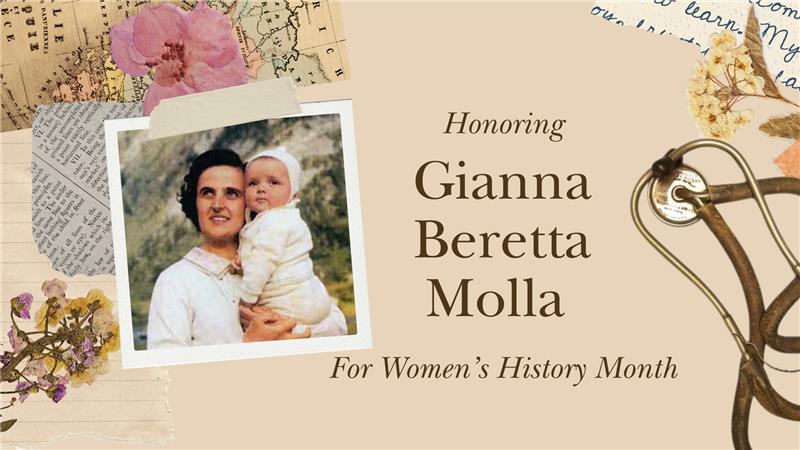
Mildred Jefferson was a groundbreaking African American physician and a leading pro-life advocate. The first Black woman to graduate from Harvard Medical School in 1952, she broke racial and gender barriers. In the face of eugenics and racism, Jefferson became a powerful voice for the sanctity of life, advocating for all lives, regardless of race. She helped establish the National Right to Life Committee, served three terms as president, and influenced leaders like Ronald Reagan. Her legacy is one of courage, unwavering dedication to the unborn, and a commitment to equality.
Early Life and Education: Breaking Barriers in Medicine
Mildred Jefferson was born in 1926 in Texas in the midst of The Jim Crow South, where she grew up with a strong sense of determination and purpose. As a child, she was passionate about learning and overcoming the obstacles that often stood in her way. Her journey to becoming the first African American woman to graduate from Harvard Medical School in 1952 was groundbreaking, especially at a time when both race and gender were significant barriers in the medical field. Her success in this field set the stage for a distinguished career as a surgeon, but it was her later work in advocating for life that truly marked her as an inspirational figure.
The Rise of the Pro-Life Advocate: A Personal Calling
Jefferson’s interest in the pro-life movement began after the landmark Roe v. Wade decision in 1973, which legalized abortion across the United States. As a physician and a devout Christian, Jefferson was deeply troubled by the moral implications of the ruling and its potential consequences for society. She believed that every life had inherent value, and this conviction became the driving force behind her transition from medicine to activism. “I became a physician in order to help save lives. I am at once a physician, a citizen, and a woman, and I am not willing to stand aside and allow the concept of expendable human lives to turn this great land of ours into just another exclusive reservation where only the perfect, the privileged, and the planned have the right to live,” stated Jefferson.
At the time Jefferson began her advocacy, the eugenics movement—a pseudo-scientific belief in “improving” the human race through selective breeding and sterilization—was still influencing public policy, particularly regarding marginalized communities. Eugenics was historically tied to racist and discriminatory practices, often targeting people of color, the poor, and those with disabilities. Abortion became a tool in this narrative, often presented as a means to eliminate individuals deemed “unfit.” This context of eugenics and racism made Jefferson’s voice in the pro-life movement all the more vital. As a Black woman and medical professional, Jefferson stood in direct opposition to these harmful ideologies, rejecting the notion that certain lives should be considered expendable.
Leadership in the Pro-Life Movement: A Vision for the Unborn
Jefferson’s leadership in the pro-life movement began with her work as a board member of National Right to Life (NRL). As the first African American woman on the NRL’s board, Jefferson became an influential figure, using her platform to raise awareness . Her presence in the movement was not only groundbreaking due to her race and gender but also because she reached out to people who might otherwise feel excluded from the debate. She believed that the pro-life message should resonate with all communities, regardless of race or socio-economic status, and worked to ensure that the movement was inclusive and welcoming. Her ability to speak to people from diverse backgrounds made her a unifying force within the pro-life cause, and she often emphasized that the right to life transcends all social, economic, and cultural divides.
The Power of Words: Advocacy and Public Speaking
As a skilled communicator, Jefferson used her voice to educate the public on the moral, medical, and emotional dimensions of abortion. She traveled across the country, speaking at rallies, conferences, and churches, engaging with people on the importance of protecting the unborn. Her speeches were known for being powerful and thought-provoking, urging individuals to consider the ethical implications of abortion and to make choices that protected life. She was not afraid to challenge her audience’s preconceptions and encourage them to reconsider their views. Jefferson’s rhetoric was based on compassion and respect for all human beings.
Mildred Jefferson’s Impact on Ronald Reagan’s Stance
Mildred Jefferson had a profound influence on Ronald Reagan’s pro-life stance, particularly after he saw her on a national television interview in 1972. As a leader in the pro-life movement, Jefferson’s passionate advocacy for the sanctity of life left a lasting impact on Reagan, who originally had a more moderate stance. He credited her with his conversion to pro-life views, writing to her that her words made it “irrefutably clear that an abortion is the taking of human life.” Reagan’s newfound understanding deepened his commitment to protecting the unborn and shaped his pro-life policies as governor and later as president.
Lasting Impact: An Inspirational Role Model
Mildred Jefferson’s legacy is one of courage, compassion, and unwavering commitment to the sanctity of life. Her work in the pro-life movement, particularly as a pioneering African American woman, has left an indelible mark on both the medical community and the social landscape of the United States.
Jefferson’s life and work serve as a powerful counterpoint to the darker history of eugenics and racism in America. Her unwavering defense of the unborn, particularly in a time when both eugenics and racial prejudice were entrenched in society, marks her as one of the most influential figures in the fight for life and equality. Through her advocacy, she not only challenged the cultural acceptance of abortion but also highlighted the intersection of race, science, and ethics
Through her advocacy, she inspired countless others to join the pro-life cause, teaching them that defending life was not just a political issue, but a moral responsibility. Her leadership continues to inspire new generations of pro-life advocates who strive to carry on her message of hope, compassion, and the defense of life from conception to natural death.
Obria Medical Clinics Offers Affordable Reproductive Healthcare.
Experience the difference that compassionate, personalized care can make in your healthcare journey.