
Well-Woman Exams
Book your Well-Woman exam today!
Think of a well-woman exam like a health checkup. It’s the perfect way to catch any potential issues before they become a big deal, giving you peace of mind and a jumpstart on staying healthy. Plus, you get personalized tips, answers to your questions, and it’s usually pretty quick and easy. So why not treat yourself to a little self-care and make that appointment? You’ve got this!
What is a Well-Woman exam?
A Well-Woman exam is an annual check-up that focuses on the female reproductive system and sexual health. The Well-Woman often acts as the first line of defense in detecting cervical cancer, sexual diseases, and medical problems, making them a key component of maintaining good health.1 They also provide you with the opportunity to discuss any questions, concerns regarding your sexual health as well as reproductive planning with a trusted medical professional.
**Please note that Well-Woman exams do not replace routine health checkups.
When should I schedule my Well-Woman exam?
It is recommended for Well-Woman exams to be booked once a year, with annual exams beginning either at the age of 21, or when a woman becomes sexually active.2
What should I expect during my Well-Woman exam?
Expect Health History Questions
Your visit will begin by establishing a general overview of your health & health history around the key subjects below:
- Medical history
- Family health history
- Sexual history and relationships
- Use of alcohol, tobacco, and other drugs
- Measurement of your height and weight
Expect a Physical Examination.
The performance of a physical examination is a key part of the Well-Woman exam, though the details of that examination may vary depending on your age and risk factors.
During your visit, the physician or nurse practitioner will perform a thyroid exam, breast exam, pelvic exam, and a pap smear.
Additionally, you may also be tested for STDs (Sexually Transmitted Disease) upon request and will have the opportunity to discuss health topics relevant to your age and risk factors with a medical professional.
Note: If you are over the age of 40 and a mammogram screening is recommended, Obria will refer you to an OB/GYN or low-cost clinic for further evaluation.

More about Physical Exams
Learn more about physical exams by exploring the information below!
All physical exams can catch potential health issues early on, so you can nip them in the bud before they become big problems. While the breast exam, pelvic exam and pap smear are the most popular exams within a Well-Woman, you can learn more about different exams below.
Thyroid Exam
Your Thyroid is a small organ in the front of the neck that helps to regulate your hormones, metabolism and helps your body perform the vital day-to-day functions we often do not think about. This is a quick and painless exam in which the provider will gently feel along the neck for growths or enlargement.3
Breast Exam
Breast exams are important in detecting Breast Cancer early.
In this exam, your provider will examine the size and shape of your breasts and gently feel with their fingers for lumps, bumps, or irregularities. The provider will examine each breast as well as the armpit area. 4
Pelvic Exam
The Pelvic exam is a key element of the Well-Woman exam that allows the provider to examine the external vulva, internal vagina, and the reproductive organs to ensure optimal reproductive health. Keep in mind your provider will walk you through the process every step of the way.
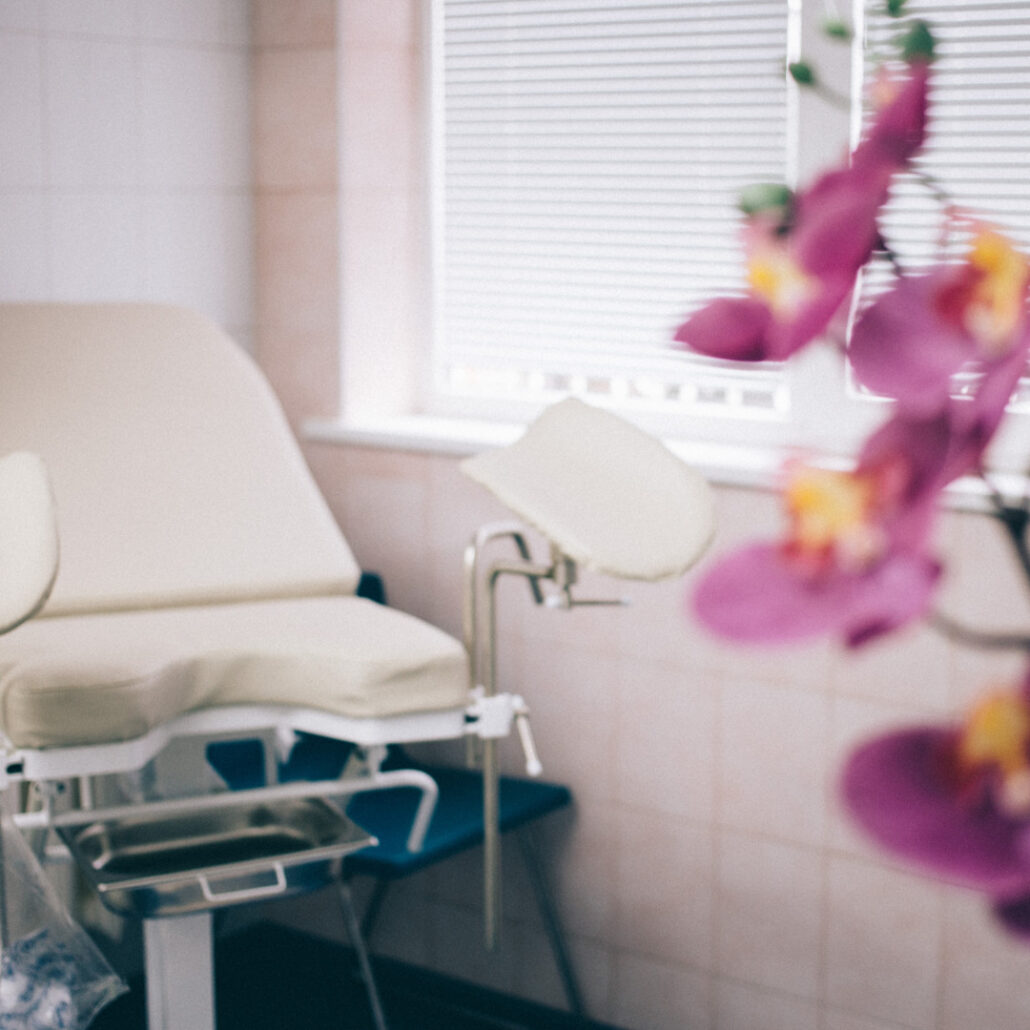
- You will first be given a few minutes of privacy to change into a paper gown and get comfortable. Upon re-entering, the doctor will ask you to get on the examination table, slide your feet into the stirrups, relax and inch closer towards where they are awaiting at the edge of the table.5
- The practitioner will quickly complete an external exam in which they examine the vulva and external opening of the vagina for any redness, irritation, cysts, discharge, or potential problems.
- They may also perform a Bimanual exam in which the provider will feel for the size and location of a woman’s pelvic organs (i.e., uterus, ovaries & fallopian tubes) by inserting two fingers of one hand within the vagina and gently feeling along the abdomen with the other.6
- Finally, the practitioner will examine the internal region of the vagina using a tool called a Speculum, which is a metal or plastic tool resembling a duck bill that allows better examination of the vaginal walls and cervix.7 Though it may sound intimidating, this will not be painful as your provider will first lubricate the speculum with a gel prior to insertion. Most discomfort felt is typically attributed to tension, so remember to take deep breaths and relax the muscles in that region.8
Pap Smear
The Pap Smear is the last step performed during the Pelvic Exam. Pap smears are crucial in screening for cervical cancer or abnormal cervical cells. 7
While the speculum is inserted during your pelvic exam, the healthcare practitioner will use a tiny brush collect a small sample of cervical cells and cervical mucus to ensure everything is healthy and normal.8 While mild discomfort may be felt for a few seconds, some women do not feel their Pap Smear at all. 9
The CDC (Center for Disease Control) recommends women begin getting pap smears at the age of 21.
Women between the ages of 30 and 65 may require an HPV (human papillomavirus) test only, Pap Smear, or combination of the two tests (known as co-testing) depending on a range of factors.
Meanwhile, women over the age of 65 may no longer need to be screened if they have maintained normal screening results for several years.10
Consult your OB/GYN on what option is best for you.
STD (Sexually Transmitted Disease) Testing
Upon your request, an STD test may also be performed. No need to feel judged, embarrassed, or uncomfortable as your practitioner is on your there to help you treat, diagnose, and prevent any sexual or reproductive issues.
STD’s may also be asymptomatic entirely, so even if you are not experiencing any symptoms, STD testing can still be a good idea to establish a baseline for your health.
Your provider may collect a sample of urine, blood sample or swab depending on what disease they think you are most susceptible to.11
To learn more about Obria’s STD Testing services click HERE.
Mammogram Screening
Mammograms are a form of X Ray used to check for Breast Cancer. Mammograms are unique in that they are often able to detect changes in the breast at an incredibly early stage, often years before cancer or physical symptoms begin to develop, making them an imperative tool for catching breast cancer early.12 Women with high risk factors for breast cancer (such as having the BRCA1 or BRCA2 gene) are advised to get mammograms annually.13 The Mayo Clinic recommends that women over 40 to be tested annually. 14
Note: If you are over the age of 40 and a mammogram screening is recommended, Obria will refer you to an OB/GYN or low-cost clinic for further evaluation.
Book your annual Well-Woman exam today!
The annual well-women exam is a fundamental part of medical care and valuable in promoting prevention practices, recognizing risk factors for disease, and identifying medical problems. No matter your age or background, our kind, knowledgeable and caring staff will be there to walk with you every step of the way.
Book your annual Well-Woman exam at an Obria clinic near you.